Air & health · Evidence explained
Dust mite control: combine cleaning, moisture management and maintenance
Live mites, settled allergens and allergic responses are different things. Understand what central vacuuming, humidity control and bedding care can do, and set expectations using real research.
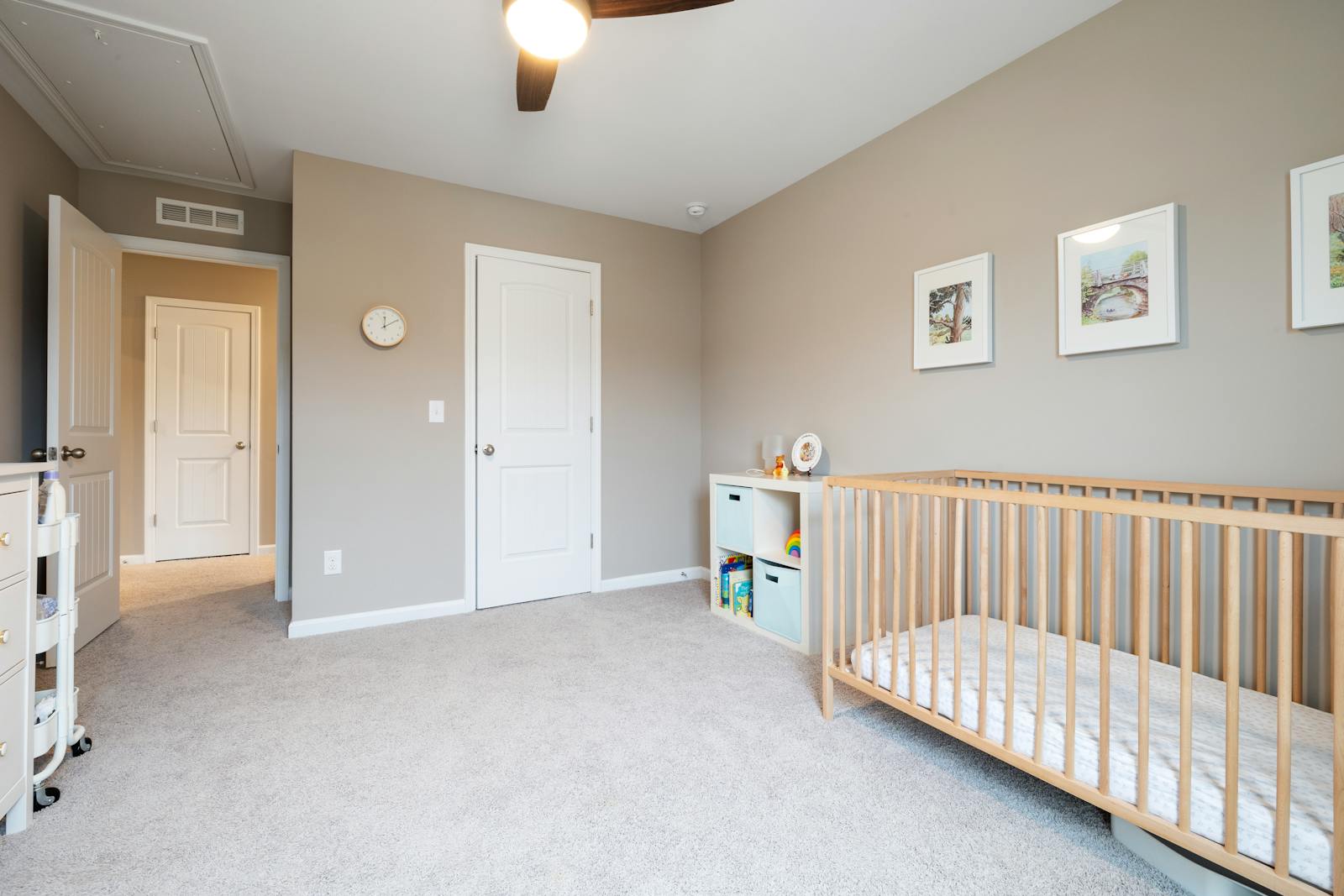
Why even a clean room may contain dust mites
Dust mites are tiny arthropods found in household dust and soft textiles. Shed skin from people and pets provides food; mattresses, pillows, bedding, upholstery, carpets and curtains provide places to accumulate dust and live. Warm, humid conditions favour survival. Their presence does not establish poor hygiene, and appearance cannot indicate mite or allergen levels.
Address three factors together: moisture conditions favourable to growth, settled reservoirs in textiles and on surfaces, and resuspension during cleaning. Occasional vacuuming, a filter change or a one-off mite service cannot replace continuing management. NIEHS explains that mites cannot be completely eliminated even from very clean homes. Reducing accumulation and exposure is a realistic objective; a mite-free whole-home promise is not.
Allergens matter as well as living mites
Sensitive people may react to mite-related faecal material, body fragments and allergenic proteins remaining in dust. Inactivating mites does not remove these materials from mattresses or rooms. Handling bedding, activity on fabrics and cleaning can disturb dust. Follow where the dust goes, rather than judging only how much visible material a machine collects.
Allergy involves an individual immune response. Exposure, sensitisation and mite-triggered rhinitis or asthma symptoms are related but distinct. Mite control should not be confused with bacterial or viral infection. Itching, sneezing or coughing cannot be attributed to mites simply because a home contains dust; do not stop prescribed medication on that basis. Repeated symptoms warrant assessment, with appropriate allergy testing where indicated, to identify relevant triggers.
Humidity management helps, but is not an instant eradication threshold
CDC suggests approximately 30–50% relative humidity in homes; NIEHS includes 50% or below in mite-control advice. This is a management starting point, not a biological switch that immediately removes mites. Review sustained actual humidity, not just the appliance setting. Repair leaks, seepage and condensation, then assess dehumidification capacity and operating times against climate, building conditions and comfort.
A room sensor cannot describe every condition deep inside bedding. Body heat and moisture during sleep, damp fabrics, furniture against cold walls and poorly ventilated corners may create local differences that design and inspection should consider. One living-room reading cannot establish whole-home control. In humid weather, outdoor ventilation can add moisture load and needs coordination with dehumidification. Check airflow in damp rooms, humidity with doors closed and drainage. Achieving a cooling setpoint does not establish humidity control, and one dry area does not represent every room. Winter humidification should follow actual need and avoid persistent excess; mite control is not a reason to force uncomfortable, extremely low humidity.
Different pollutants need different controls
Source control + air exchange
Formaldehyde · TVOC · CO₂ · odours
Reduce indoor emissions and design mechanical ventilation around outdoor conditions and occupancy.
Filtration + clean-air delivery
PM2.5 · pollen · microbe-carrying aerosols
Match filter efficiency, sealing and delivered airflow to reduce airborne particle exposure.
Cleaning + moisture control
Settled dust · mite and allergen reservoirs
Remove dust with central vacuuming, route exhaust outdoors appropriately, and manage fabrics and moisture.
Monitoring + coordinated control
Temperature · humidity · air trends
Adjust equipment to measurements and use patterns; check sensor limitations and maintenance.
Central vacuuming mechanically removes dust: evaluate the complete system
Vacuuming transfers accessible dust and what it carries from surfaces to a collection system. A central system genuinely exhausted outdoors can separate collection and exhaust from living areas. That depends on actual piping, collection and discharge paths; it does not mean every central vacuum carries all mites outside or that mechanical removal kills them. Other measures remain necessary for residual material in fabrics.
Check inlet and pipe leakage, collection-bag or bin sealing, correct filters and dust leakage from the unit during use. A HEPA media label does not demonstrate zero bypass leakage from the complete appliance. Position outdoor exhaust away from ventilation intakes and occupied areas; installers should assess make-up air and combustion backdraught risks. Request the air path, working performance at the least favourable inlet, filtration and collection arrangement, and emptying method. Motor power or maximum vacuum alone does not describe cleaning after a full pipe network is installed. These are engineering checks, not clinical trial conclusions. Collected dust weight or photographs cannot prove a model’s mite-removal rate, allergen reduction or symptom benefit.
Bedding and fabric care remain essential
Focus practical routines on beds and frequently used soft furniture: wash suitable bedding weekly and dry thoroughly, use appropriate allergen-resistant mattress and pillow covers, clean upholstery, carpets and bedside dust, and damp-wipe or mop hard surfaces to limit dust disturbance. Cover fit, zip closure and maintenance matter. A cover does not make existing allergens disappear. Mite-sensitive people can avoid active vacuuming areas while another household member handles dustier cleaning.
For hot washing, follow fabric labels, appliance capability and actual temperatures, taking burn risks into account; do not raise the entire domestic hot-water setting simply to reach a mite-treatment temperature. Reducing unnecessary, hard-to-clean fabric reservoirs and selecting washable items that can dry thoroughly may be easier to sustain than repeated one-off treatments. Storing damp bedding creates another moisture problem; bulky items need realistic washing, drying and household routines. There is no need to discard everything: prioritise difficult reservoirs in sleeping and frequently contacted areas. Sun airing, fading odour or invisible dust do not prove allergen elimination. Use cleaning products as labelled instead of mixing chemicals to increase claimed effectiveness.
What research supports, and what it does not establish
A randomised trial of 1,122 adults with asthma found lower mattress mite allergens in some sampled households using barrier covers at six months, but not a sustained difference at twelve months; principal clinical outcomes did not significantly improve between groups. Lower allergen readings do not necessarily mean better symptoms or medication outcomes. Another randomised trial involving 937 urban children with asthma used individually tailored multicomponent intervention, including allergen management, education and tobacco-smoke measures, and observed fewer symptom days. Its results cannot be attributed to one vacuum, cleaner or single action.
NHLBI’s 2020 guidance therefore supports combining measures directed at identified relevant indoor allergens. Mite covers should be part of a multicomponent approach rather than a standalone asthma-benefit guarantee. Dedicated allergen interventions are not recommended indiscriminately for people without relevant sensitisation or exposure-related symptoms. Population, adherence and combined measures affect results. These guidelines and trials did not validate Godvote or any particular central vacuum or dehumidifier; institutional names cannot replace product testing or evidence of clinical efficacy.
Give ventilation, filtration, cleaning and humidity their respective roles
Start by reducing continuing pollution sources. Mechanical ventilation introduces suitable outdoor air to dilute indoor formaldehyde, other VOCs, CO₂ and some odours, without guaranteeing complete removal of continuing emissions or replacing bedding care. Particle filtration treats air passing through the system. Effectiveness depends on media, sealing, delivered airflow and running time; it cannot directly empty a mattress of settled dust.
Vacuuming and wiping address deposited dust. Moisture control reduces conditions favourable to mites and some other biological contaminants. Monitoring and coordinated controls can reveal recurring high humidity, inadequate ventilation or equipment problems, with rules that account for outdoor pollution, moisture load and maintenance. Combine filtration and appropriate operating strategies during outdoor pollution; investigate water sources when dampness or condensation occurs. Coordination helps sustain the measures, not guarantee absence of allergens or prevention of every disease when displays look normal.
Use records and maintenance to check implementation
An initial one- or two-week temperature and humidity record can cover bedrooms, basements and damp spots, including nights, bathing and humid weather. This is a practical observation routine, not a diagnostic standard. Position sensors representatively, away from outlets or temporary heat and moisture sources. Compare actual humidity trends rather than setpoints. CO₂, PM2.5 and temperature/humidity monitors cannot count mites or directly measure mite allergens.
Where justified, ask a professional about appropriate settled-dust allergen testing and use comparable locations and sampling methods before and after. Environmental samples do not diagnose an individual’s allergy. Maintain weekly bedding and surface care, and inspect collection, filters, pipes, exhaust and dehumidifier drainage as specified. Empty bins without scattering dust back indoors. Record cleaning, leak repairs and filter changes to interpret trends. If performance declines, investigate obstruction, leakage, drainage and sensor position before merely raising speed. Keep environmental indicators, maintenance and symptoms distinct, and discuss symptom control with a clinician. This separates system operation, exposure changes and actual health outcomes.
References & original sources
- Dust Mites and Cockroaches
National Institute of Environmental Health Sciences (NIEHS), National Institutes of Health (NIH) · 2026
- Allergens
National Institute of Environmental Health Sciences (NIEHS), National Institutes of Health (NIH) · 2026
- Controlling Asthma
Centers for Disease Control and Prevention (CDC) · 2026
- Biological Contaminants and Indoor Air Quality
U.S. Environmental Protection Agency (EPA) · 2026
- Environmental Triggers of Asthma
Agency for Toxic Substances and Disease Registry (ATSDR), Centers for Disease Control and Prevention (CDC) · 2014
- 2020 Focused Updates to the Asthma Management Guidelines: Clinician’s Guide
National Heart, Lung, and Blood Institute (NHLBI), National Institutes of Health (NIH) · 2020
- 2020 Focused Updates to the Asthma Management Guidelines: A Report from the National Asthma Education and Prevention Program Coordinating Committee Expert Panel Working Group
National Heart, Lung, and Blood Institute (NHLBI), National Institutes of Health (NIH) · 2020
- Control of exposure to mite allergen and allergen-impermeable bed covers for adults with asthma
University of Manchester / Medical Research Council General Practice Research Framework; New England Journal of Medicine · 2003
- Results of a home-based environmental intervention among urban children with asthma
University of Arizona / Inner-City Asthma Study Group; New England Journal of Medicine · 2004
- Sources of Indoor Particulate Matter (PM)
U.S. Environmental Protection Agency (EPA) · 2026
- Improving Indoor Air Quality
U.S. Environmental Protection Agency (EPA) · 2026
- Guide to Air Cleaners in the Home
U.S. Environmental Protection Agency (EPA) · 2018
- Care for Your Air: A Guide to Indoor Air Quality
U.S. Environmental Protection Agency (EPA) · 2026
- Low–Cost Air Pollution Monitors and Indoor Air Quality
U.S. Environmental Protection Agency (EPA) · 2025